Therapist Website Design London
Proxima provides therapist website design in London from an independent studio in the east of the city. We build websites for counsellors, psychotherapists and psychologists with a room in Hackney, Camden, Croydon or near Harley Street, and for therapists who see clients online across London. Neda Yavari designs and builds every site herself, and your written proposal sets out the scope and a fixed price before any work starts.
- Therapist websites
- SEO for therapists in London
- Pages for your rooms and areas
- Website redesigns
Therapist website design in London, for the Areas you work in
Clients in London tend to look for a therapist by borough, by neighbourhood or by part of the city, so we plan each site around the places your clients come from. Each area your site names gets wording that is true of the room you use there and the way clients reach it.
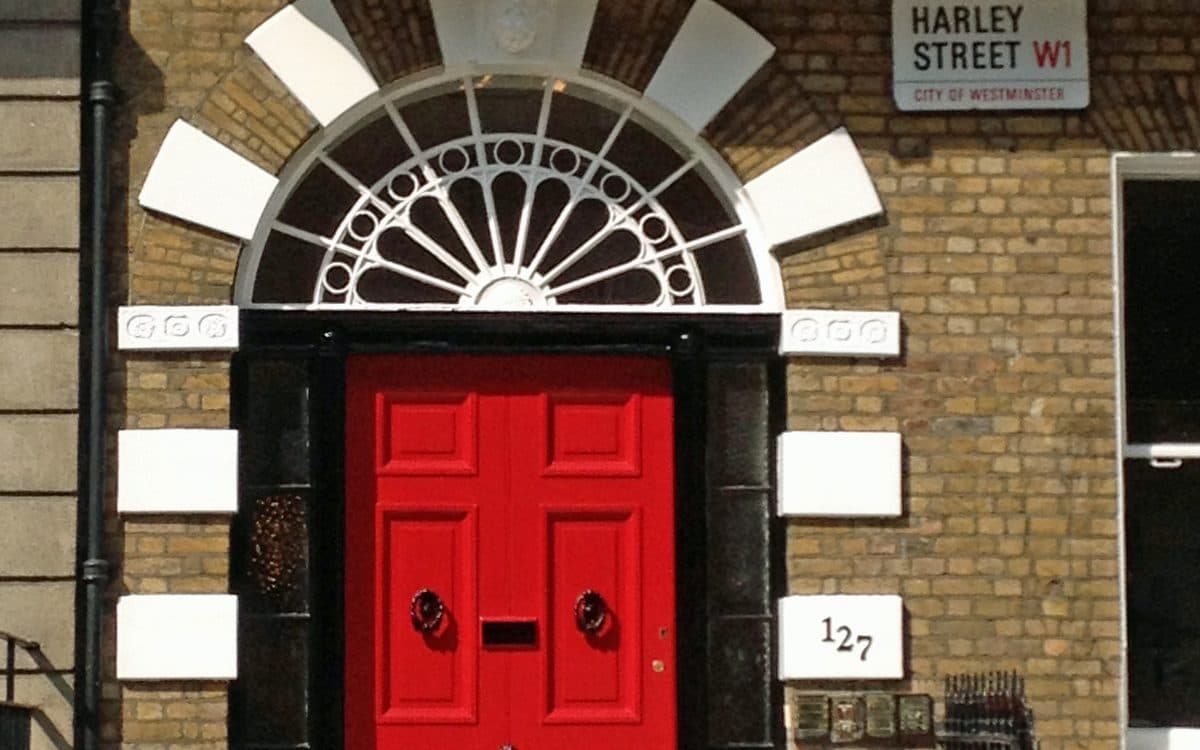
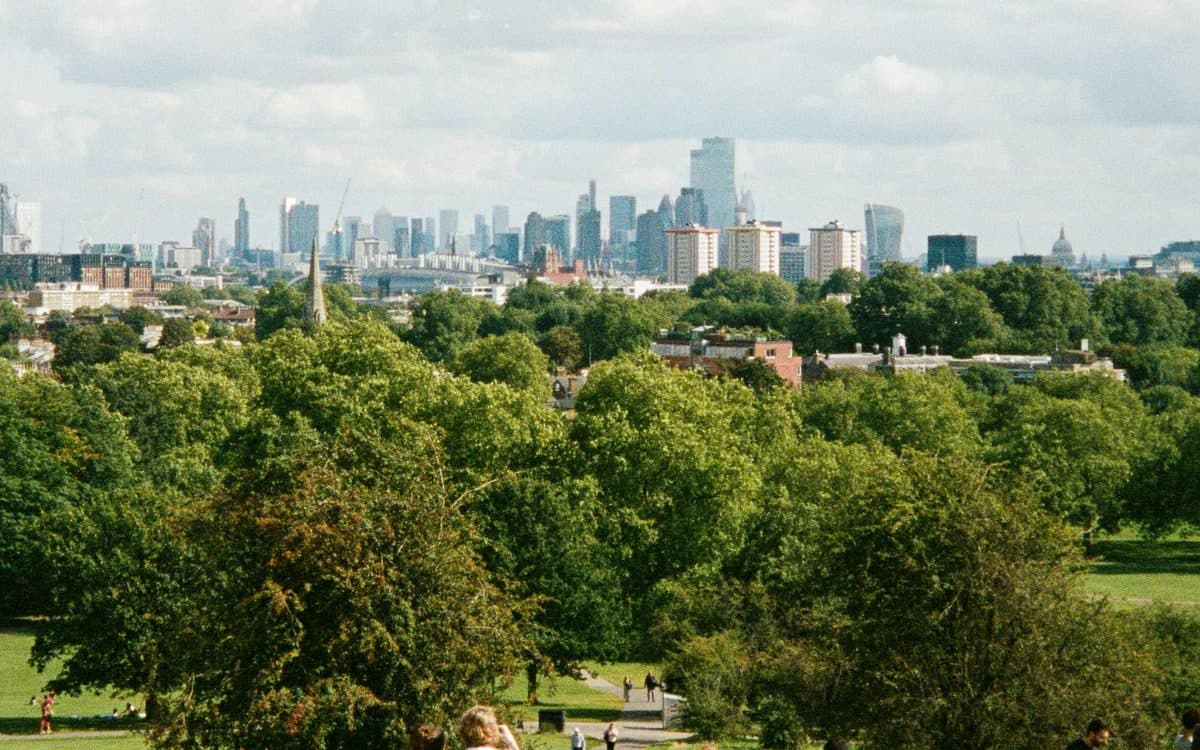
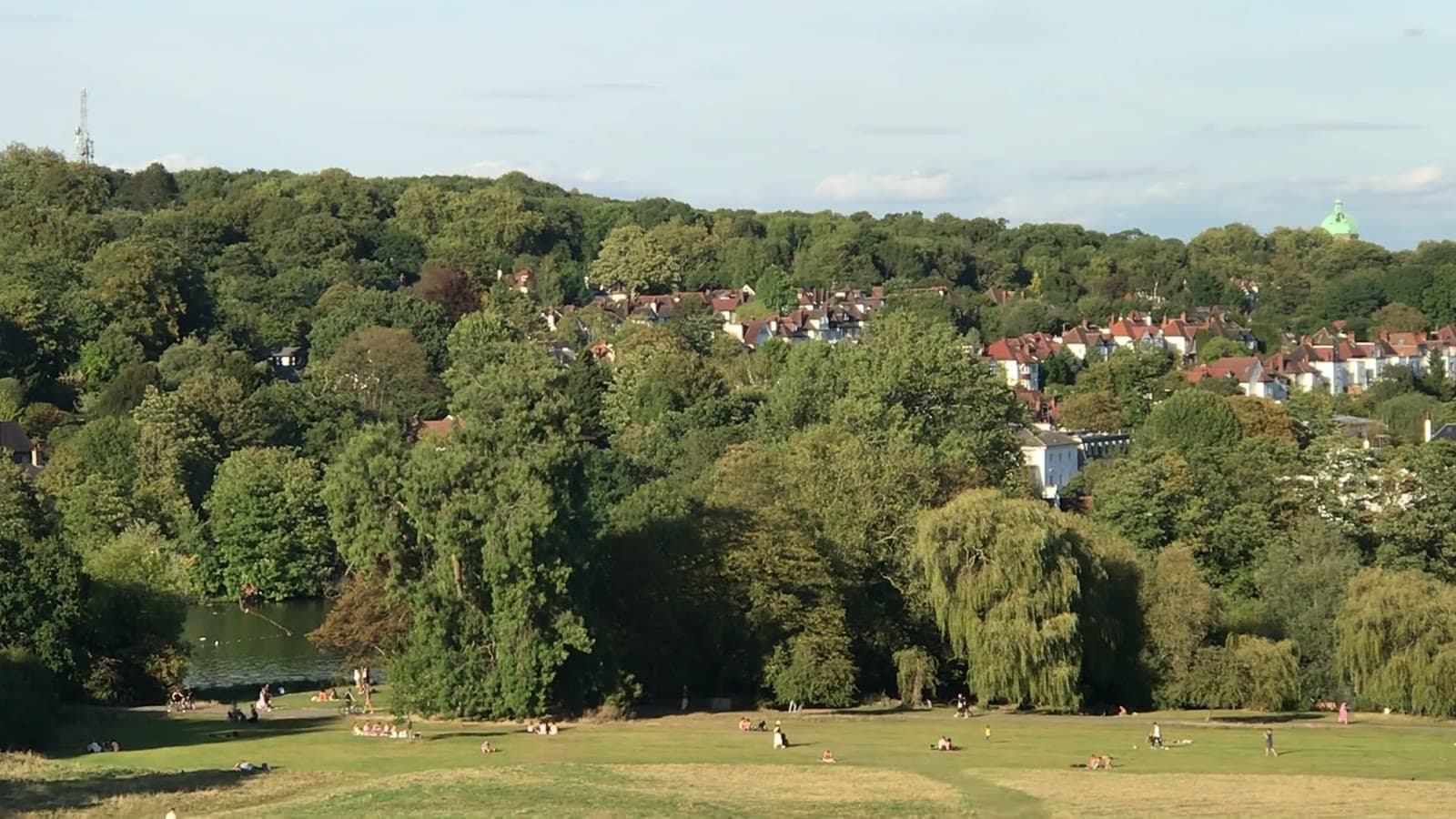
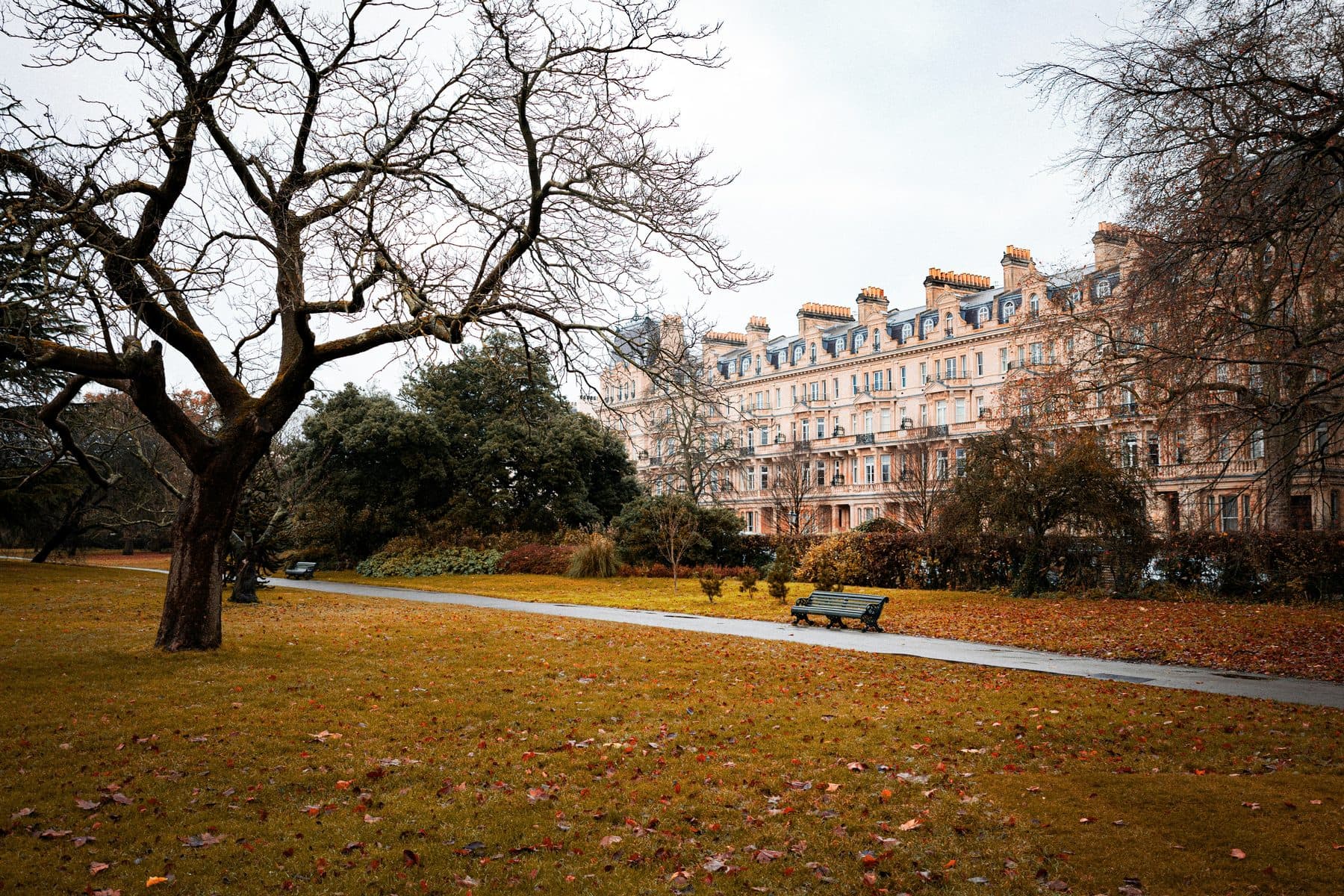
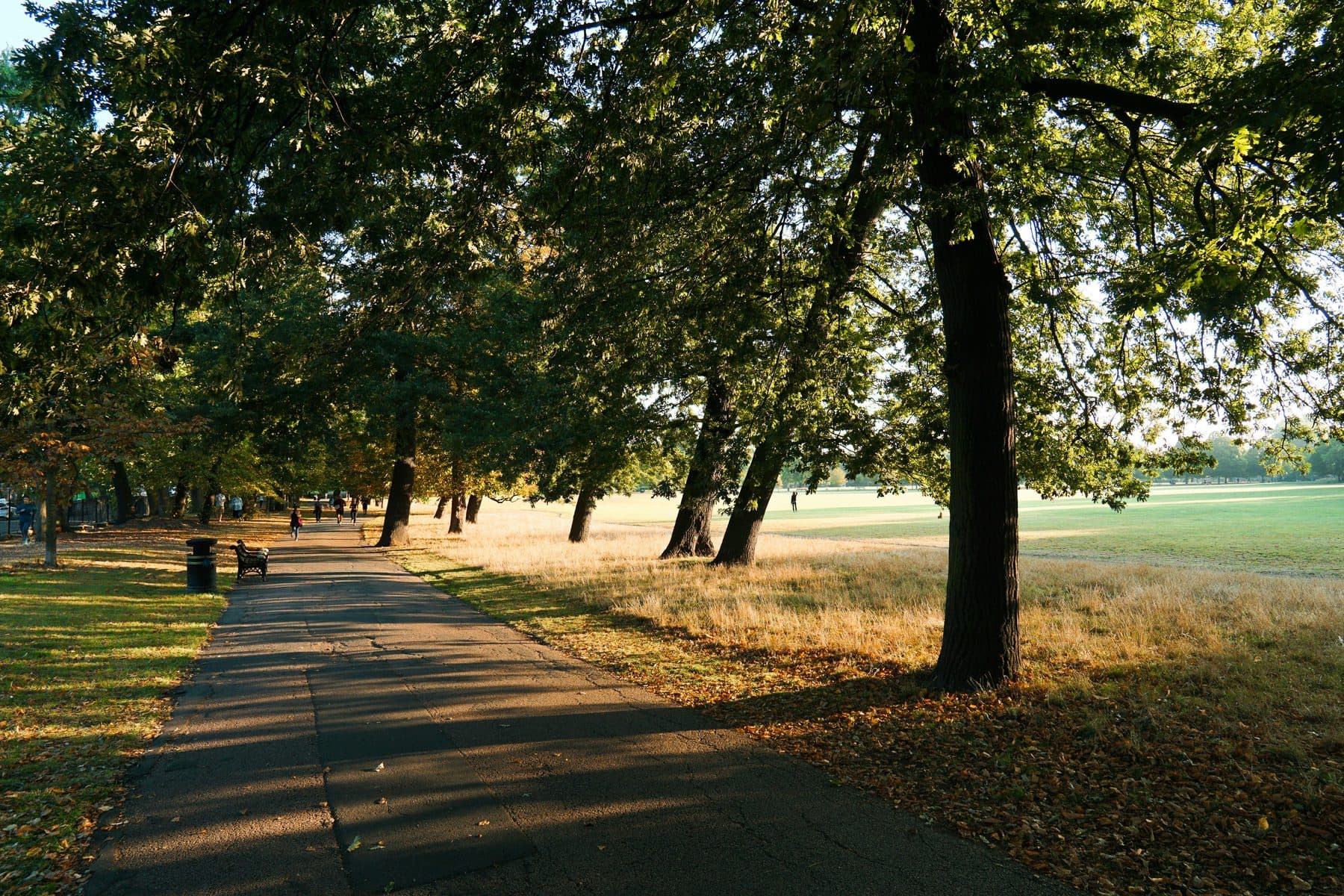
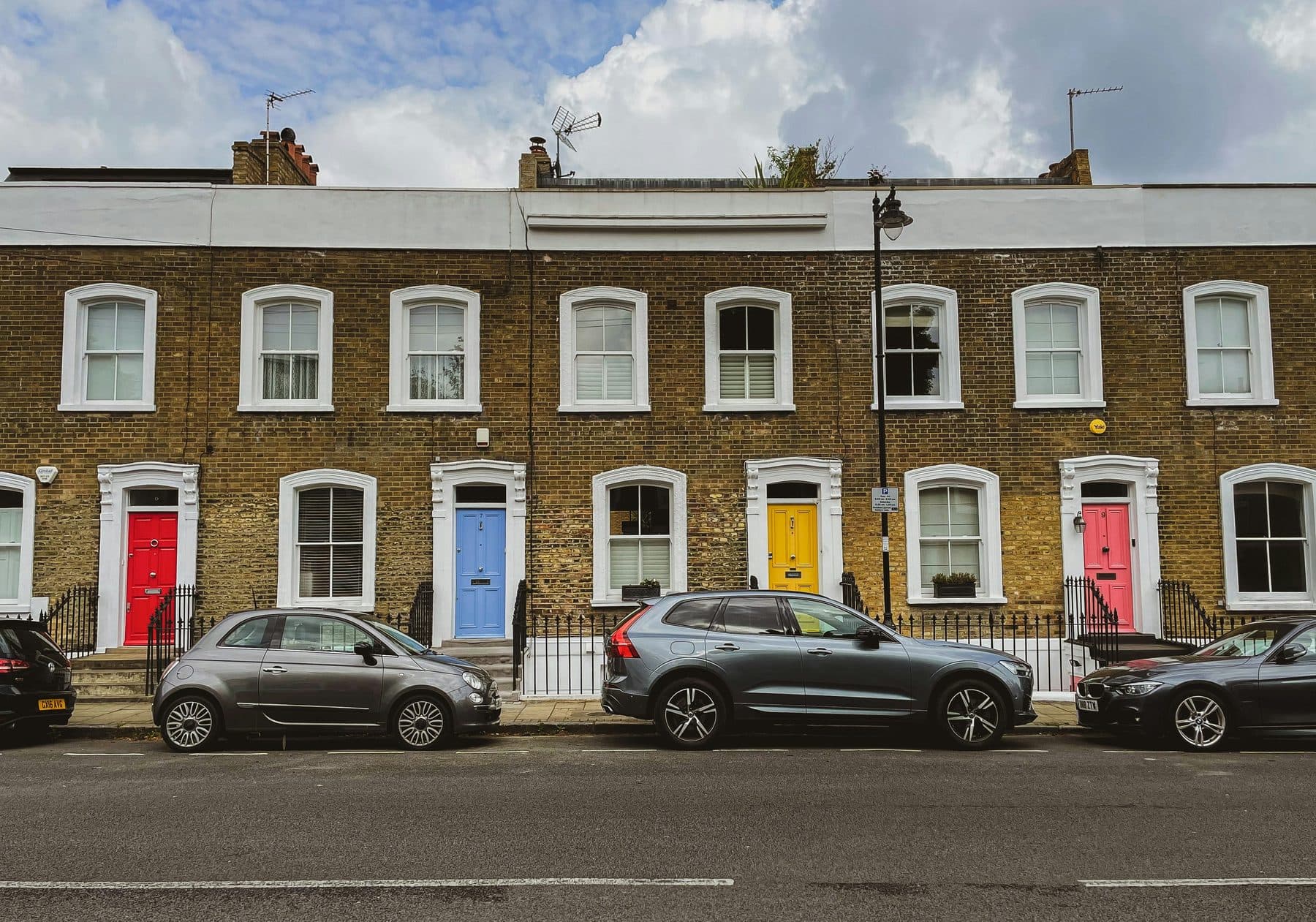
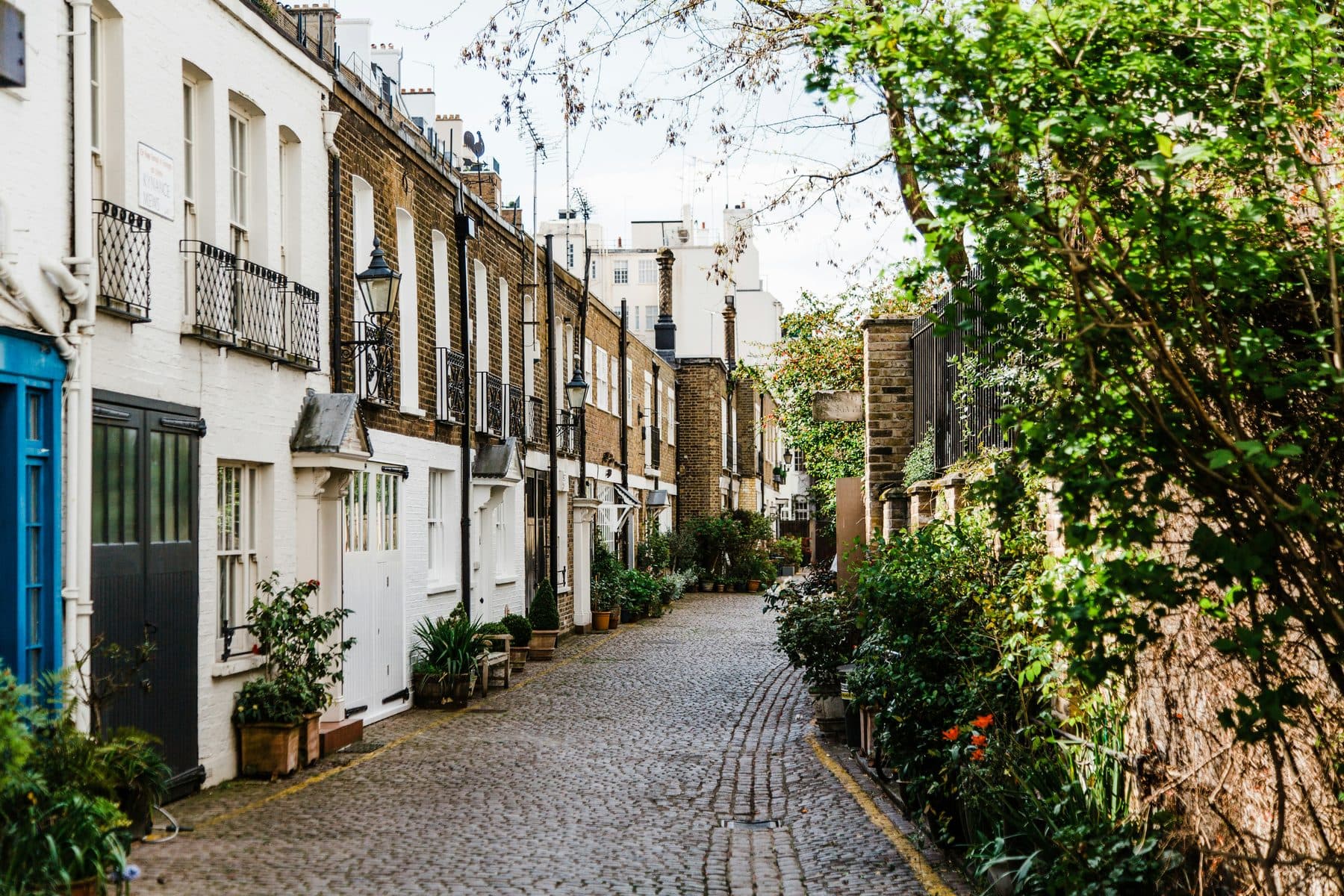
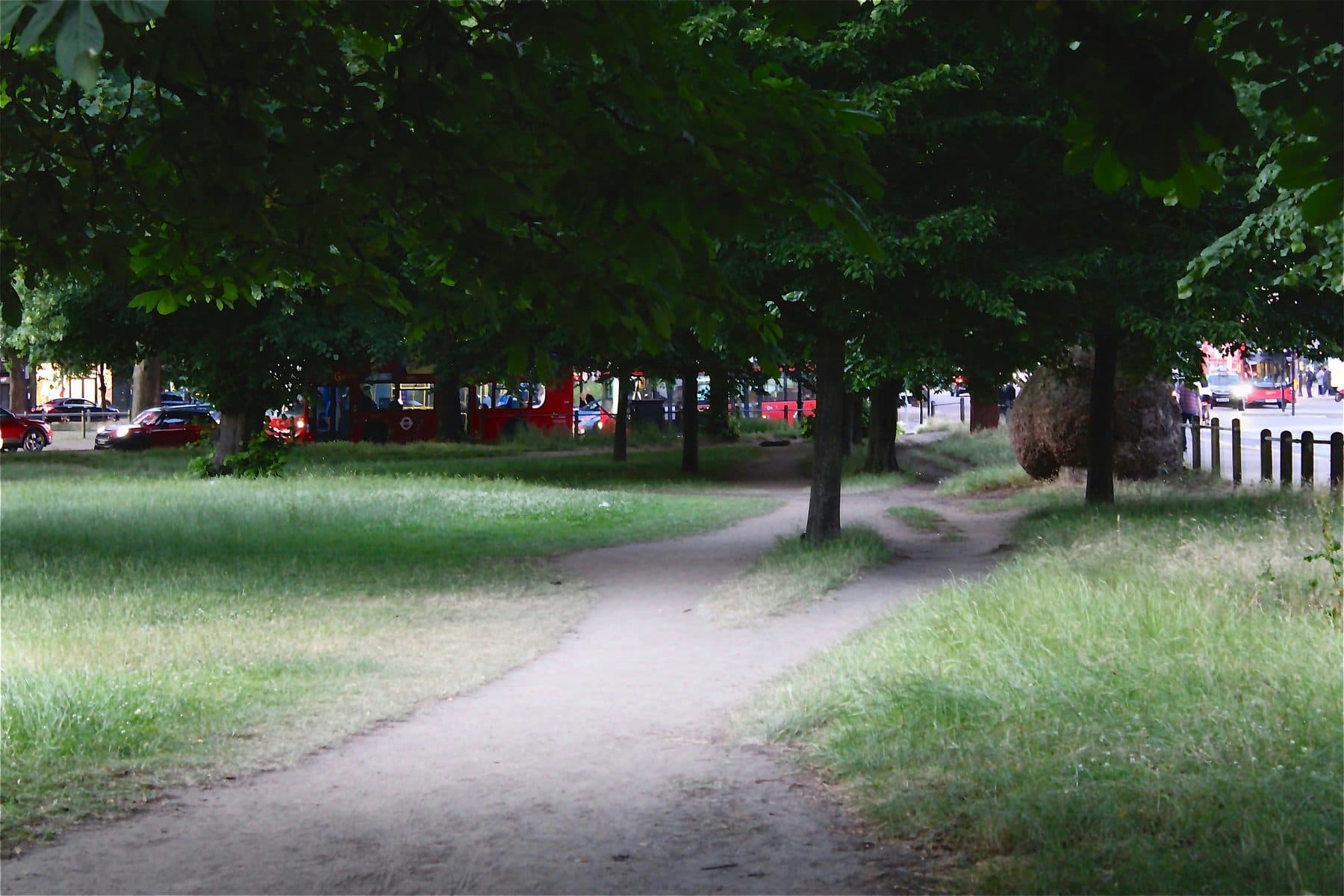
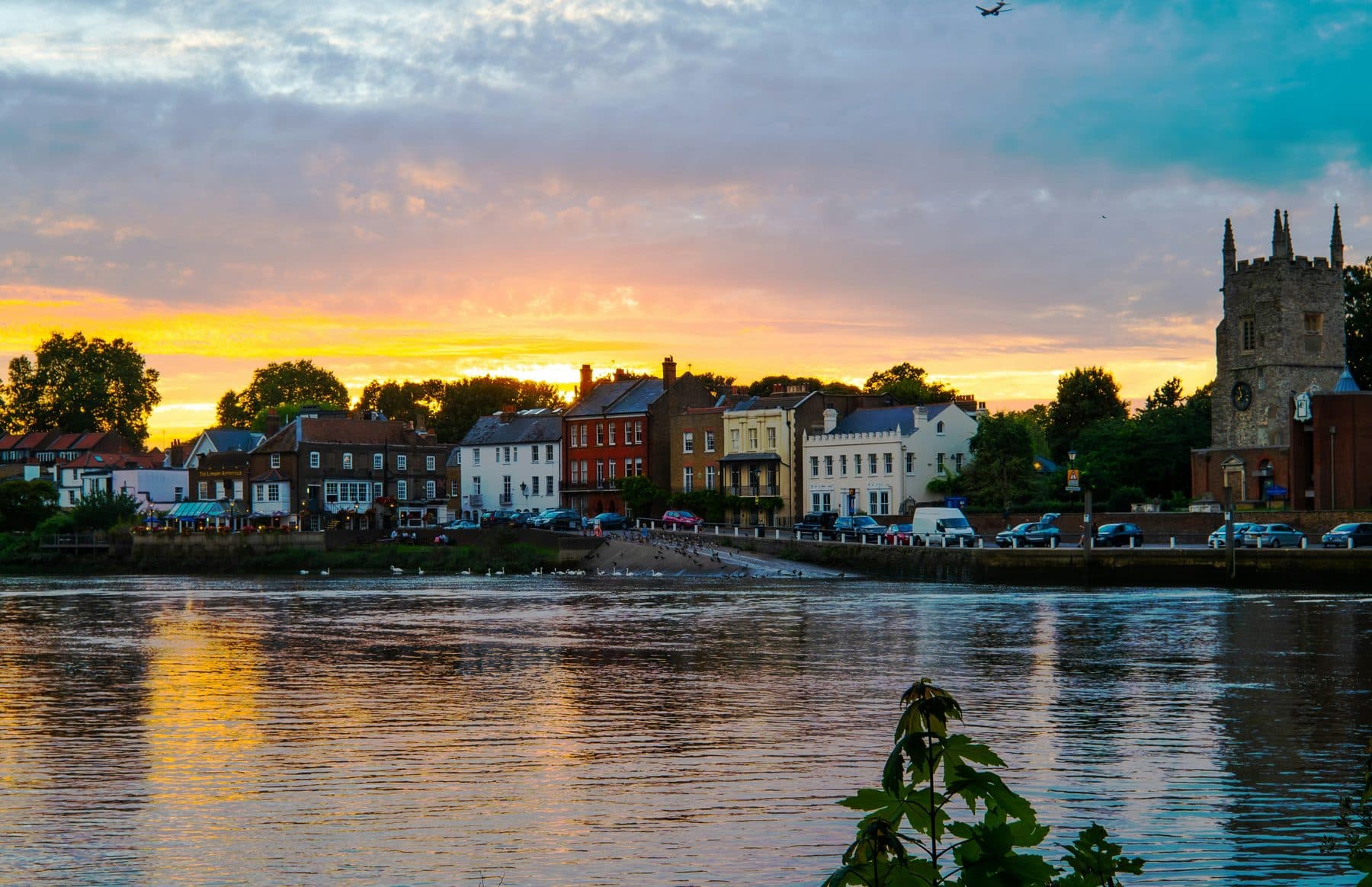
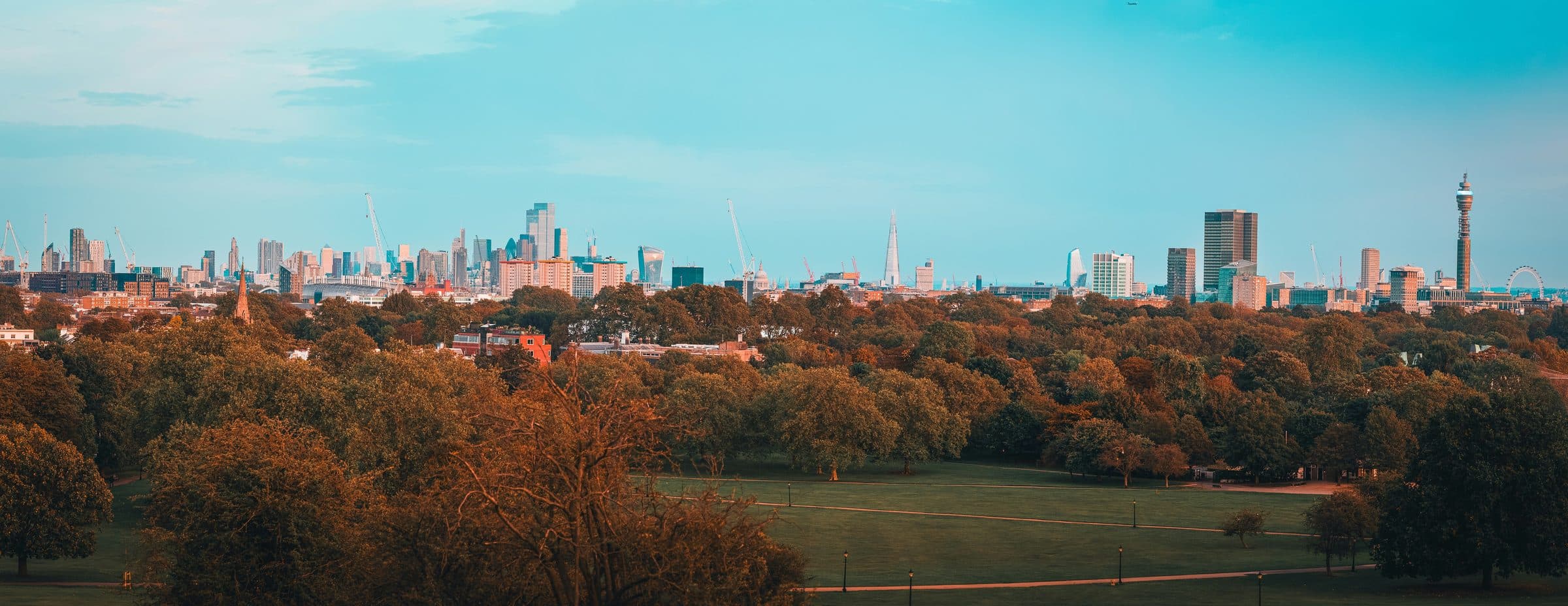
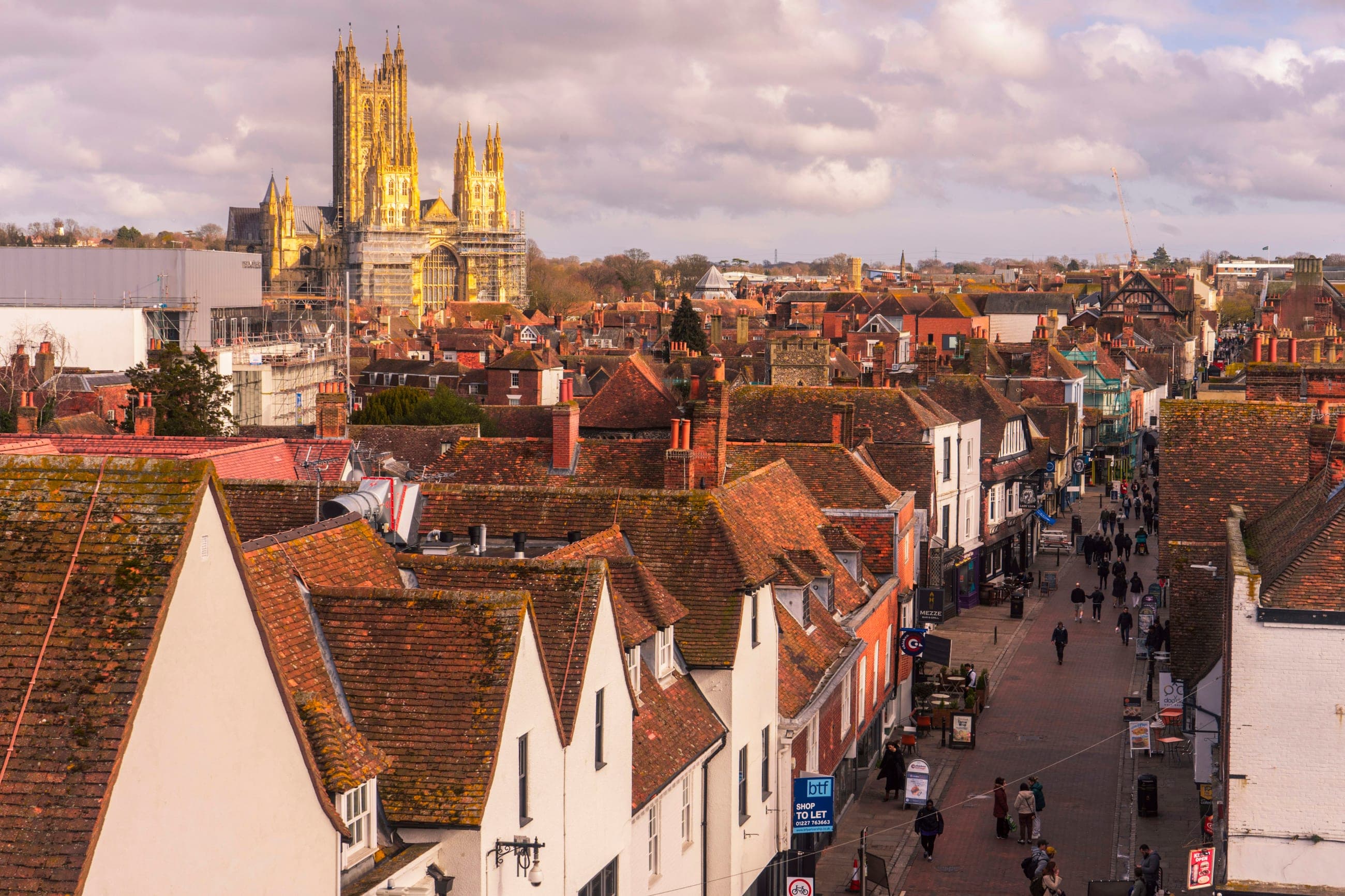
Photographs of London neighbourhoods where therapists see clients.

Hackney, Stoke Newington and Walthamstow
East London
Clients often add the borough's name to their search, and many add the neighbourhood, so a practice here gets pages that name Hackney or Walthamstow, the neighbourhood the room is in and the nearest Overground station.
Clients search for
- therapist Hackney
- therapist Walthamstow
Islington and Camden
North London
Many people search for a therapist in north London without naming a borough, so a practice in Islington or Camden has a north London page as well as pages for the boroughs it sees clients from.
Clients search for
- therapist north London
- therapist Camden
Harley Street and Marylebone
Central London
Searches around Harley Street are mostly for a psychologist or a psychotherapist, so your pages use the title you are registered under, word for word, along with the street and the closest station.
Clients search for
- psychologist Harley Street
- psychotherapist Harley Street

Kensington and west London
West London
In west London people look for a counsellor almost as often as a therapist, so a practice in Kensington, Notting Hill or Ealing uses both words, and each page names its neighbourhood instead of relying on west London alone.
Clients search for
- counsellor west London
- therapist Ealing
Clapham, Croydon and Bromley
South London
Clients in Clapham and Bromley search for a counsellor about as often as a therapist, so we use both words. A Bromley page names the town centre and the borough, since Bromley-by-Bow in east London shares part of the name.
Clients search for
- counsellor Clapham
- therapist Croydon
Richmond, Wimbledon and Kingston
South west London
Clients in Wimbledon and Richmond search for a psychotherapist or a counsellor as well as a therapist. Richmond is the name of a town and a borough, so your page says which, and mentions Twickenham or Kew if you have clients there.
Clients search for
- therapist Wimbledon
- psychotherapist Richmond
Websites for a room in one borough and online Sessions across London
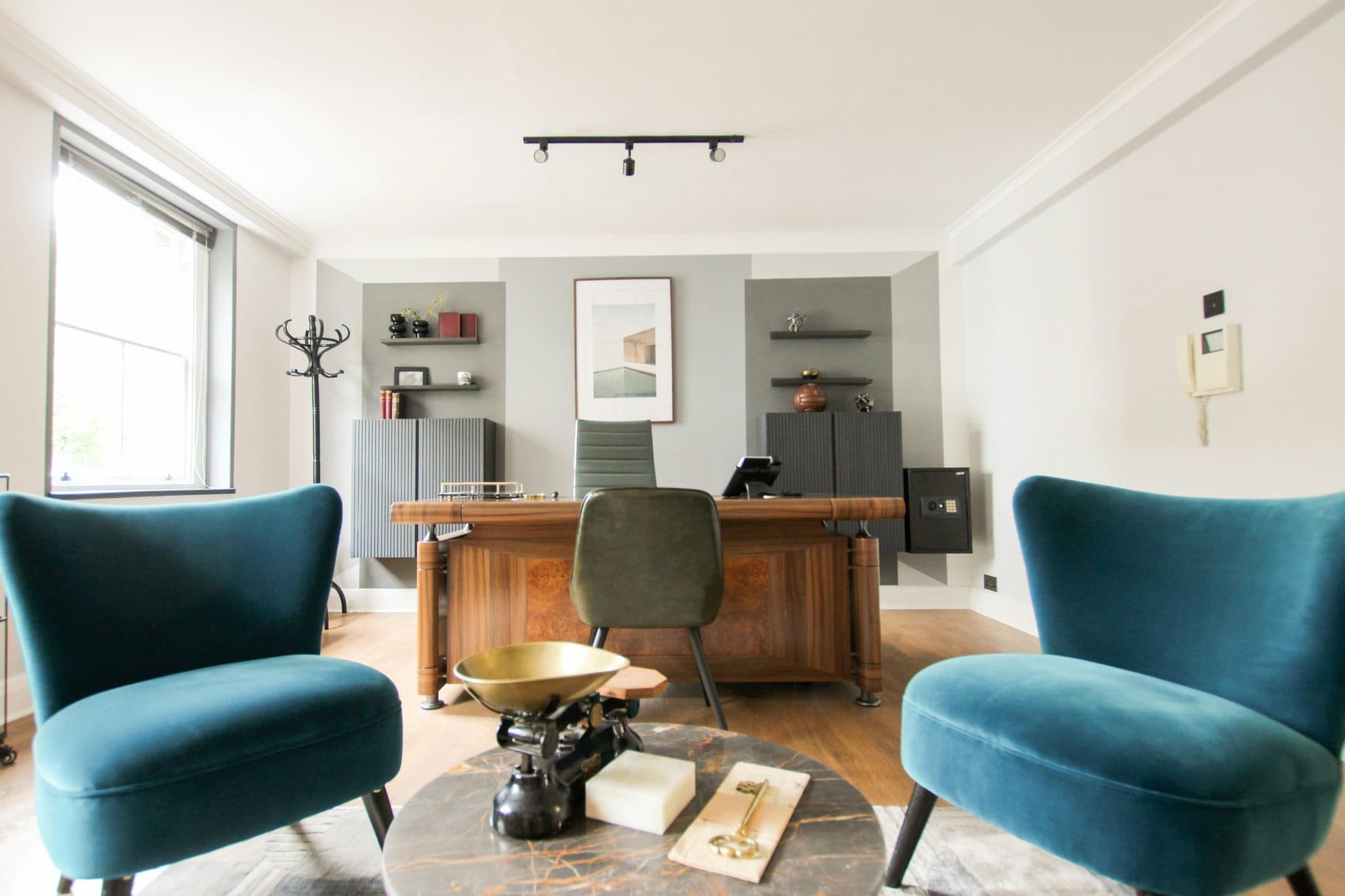
If you keep a room in one part of London and see other clients by video, your site sets out both on the same page. A client in Islington and a client in Bromley can each tell straight away how they would meet you.
A page on your site
Where we meet
- Room
- The neighbourhood and the nearest station
- Access
- Stairs or a lift, and where to wait
- Address
- Shared when a first session is booked
- Online
- Video sessions for clients anywhere in London
You decide which of these details appear, and you can change them yourself in the editor.
Ask about a first session
The room, named precisely
Your page names the part of London your room is in and the station closest to it, so a client knows how to reach you before they make contact.
Online sessions with a page of their own
A separate page explains how a video session works and says that you see clients online across London, which a map listing cannot show.
A home room kept private
If you see clients at home, the site can name the area and keep the street address back until a session has been arranged.
Websites for therapists renting rooms by the Hour in London
If you rent a room by the hour in a shared practice building, or use rooms in more than one part of London, your site gives each room its own clear details: the building, the street, the nearest station and how to find the waiting area.
Google lists an address only where clients come to your business during its stated hours and the building carries your name, so a room booked by the hour may not qualify on its own. We check what applies to your rooms before any Google Business Profile is set up, and the website explains the rest.
Your room details, as you edit them
- On your website
- A section for each building you use
- On Google
- A listing only where the rules allow
Couples therapy, CBT and EMDR pages for London Clients
People in London often search for the kind of therapy they want together with the city or their borough, so each kind you offer can have a page of its own. Each page tells a client what the therapy involves and how sessions are arranged before they contact you.
SEO for therapists in London, set up before Launch
- Local search
- AI answers

Every London therapy website we build is set up for search before it goes live, so the pages Google and AI tools read already name your areas, your rooms and the kinds of therapy you offer.
Pages for the areas you work in
An area page earns its place by saying something true of that area, such as where your room is and how clients get there, or that you see people from there online. Google treats pages that only swap the place name as doorway pages, so we never write a page for a borough you do not serve.
Your Google Business Profile
Google gives a profile to a business that clients come to during its stated hours. A practice with a room can have one profile for it, and your proposal can include setting it up. If you work online only, Google does not allow a listing, so your local search depends on the website's own pages, and we plan them with that in mind.
Structured data and AI answers
Structured data on each page tells search engines which parts of London you serve and which kinds of therapy you offer. AI tools that answer questions about therapists read the same pages, so your services, areas and registration are written the same way everywhere they appear.
- Page titles and headings that name your area
- Structured data for your services and the area you cover
- Redirects from any old pages, so existing links lead to the new ones
What we can and cannot promise
London search results are crowded, and no studio can promise where a practice will appear. On the first call Neda tells you which searches are realistic for your practice and what would help most, including reviews and links from other sites. Monthly SEO for therapists is optional.
Web design for London therapists by Neda Yavari

One person designs and builds your site
Proxima is an independent web design studio based in East London, run by Neda Yavari. Neda plans, designs and builds every therapist website herself and sets up its SEO, so the person on your first call is the person who builds your site and answers your emails after launch.
- Studio in East London
- Replies within 24 hours
How a London project runs
Projects run by video, phone and email, so it makes no difference to the work if your room is in Walthamstow or Wimbledon. The first call is free and by video, and Neda looks at your current site beforehand.
You then receive a written proposal with the scope, the timeline, what you will own and a fixed price. While the site is designed you follow each stage in your own client portal, leave comments at phone, tablet and desktop sizes, and approve each stage before the next one starts.
- Free discovery call by video
- Fixed price in writing
- Your client portal
After launch
Your practice owns the site, its domain and every page of content. Neda walks you through the visual editor at launch, so changing a fee or a note about availability is something you can do yourself, and monthly help after that is optional.
- Yours to keep
- A visual editor
Questions from therapists and counsellors in London
Answers to what London therapists, counsellors and psychologists ask before choosing a studio. If yours is not here, include it with your quote request and Neda will answer it.
 Send it with your quote request
It is quoted on enquiry, because the price depends on how many rooms, areas and kinds of therapy your site needs to cover. After a free discovery call by video you receive a written proposal with the scope, the timeline, what you will own and a fixed price, and it lists only the work your practice needs. Our guide to what a website costs in the UK sets out the running costs to plan for after launch.
Yes. Proxima builds websites for counsellors, psychotherapists, practitioner psychologists and therapists across London, for people who work alone in one room and for small clinics with several practitioners. We also build therapist websites across the UK, therapist web design in Essex and web design for therapists in Kent.
Yes, if the site has pages that say where you work. People in London often search by borough or by part of the city, so we write the area into the page titles, headings and structured data of the pages that serve it. Each of those pages has to say something true of the area, because Google treats pages that only swap the place name as doorway pages.
Yes. A client should see at once where your room is and that you also work online. Your room gets its own details, such as the neighbourhood, the nearest station and the access, and online sessions get a page of their own that says you see clients by video anywhere in London.
Not always, and sometimes you cannot have one. Google gives a profile to a business that makes in-person contact with customers during its stated hours, and expects permanent signage where an address is shown, so a room booked by the hour in a shared building may not qualify on its own. A practice that works only online cannot have a profile. A home practice has to decide whether it wants that address on Google. We check which applies to you before setting anything up, and the website carries your local search where a listing is not possible.
That depends on how much of the work you want to do yourself. With Proxima, Neda plans the pages for your areas and the kinds of therapy you offer, shows your registration correctly, adds a short enquiry form over a secure connection and sets up the SEO before launch. You still edit the pages yourself in a visual editor afterwards.
Yes. Your membership is described in the words your register uses, because member, registered and accredited are different claims, and your profile links to your register entry so a client can check it. A quality mark or logo appears only if you are authorised to use it, and a protected title such as counselling psychologist or art therapist is used exactly as your HCPC entry shows it.
Carefully, because a message about therapy can reveal something about a person's health, which the ICO treats as special category data. The form asks only what you need to reply, the whole site runs over HTTPS, and the form links to your privacy notice, which stays yours to confirm.
No. Proxima is based in East London and runs every project by video, phone and email, which suits a practice in Richmond as well as one around the corner in Hackney. The discovery call is free and by video, and you can reach Neda directly throughout the project.
We can set your site up to be found, but nobody can promise you clients or a ranking. Every site launches with pages for your areas and the kinds of therapy you offer, page titles and structured data that name them, and redirects from any old pages. Monthly SEO for therapists is optional and can add your Google Business Profile, page improvements, articles on the questions clients ask, and reporting.
In your client portal, which shows the stage your project has reached. You comment on the designs at phone, tablet and desktop sizes, earlier versions stay available, and your approval of each stage is recorded. Files and to do items are kept there as well, and an email tells you when something needs you.
Yes. Your practice owns the site, its domain and every page of content, and you can move all of it to your own accounts whenever you like. Nothing ties you to Proxima after launch.
Therapist website design beyond London
Proxima also builds therapist websites for practices outside London, and Neda writes guides for practice owners on website costs and search.
- Across the UKTherapist website design for private practiceWhat every therapist website we build includes
- EssexTherapist web design in EssexCounsellor and therapist websites for Essex practices
- KentWeb design for therapists in KentWebsites for counsellors and psychotherapists in Kent
- Marketing AdviceHow Much Does a Website Cost in the UK? The 2026 Guide for Small BusinessesNeda Yavari
- GEOWhat Is GEO and Why It Matters for Your Business in 2026Neda Yavari
- Marketing AdviceWebsite Redesign and SEO for Small BusinessesNeda Yavari




Take the next step and get a web design quote
Start your Project today
Let's work together
How do we connect?
- Get a reply within 24 hours
- Speak directly to Neda, who does the work.
- We ask smart questions fast.